


"Whey Protein 101: Benefits, Types & Smart Usage"
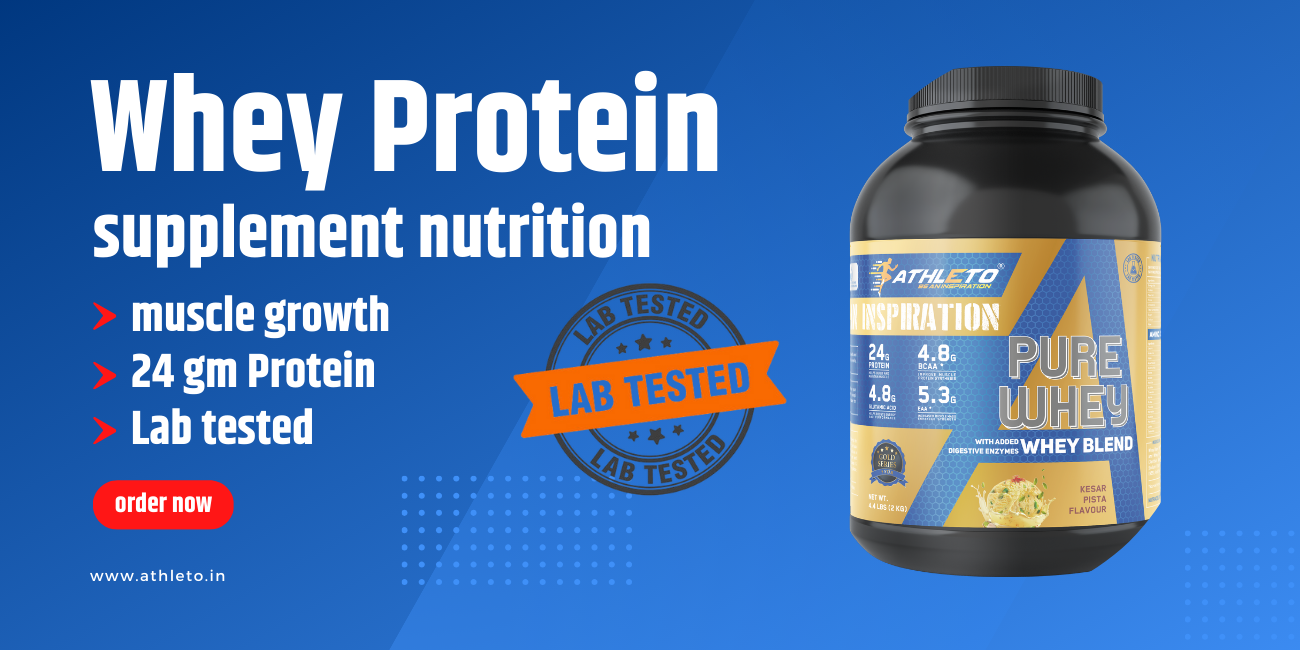
Whey Protein: Powering Your Fitness Journey
What Is Whey Protein?
Whey protein is a high-quality protein derived from the liquid part of milk during cheese-making. It contains essential proteins like β-lactoglobulin and α-lactalbumin, making it a standout in muscle growth and recovery.Wikipedia+1
Types of Whey Protein
-
Whey Protein Concentrate (WPC): Contains 70–89% protein, retaining beneficial components like immunoglobulins and lactoferrin for immune support.WikipediaPBCo.
-
Whey Protein Isolate (WPI): Processed to over 90% protein with minimal fat and lactose—great for those sensitive to dairy.WikipediaUniversity Health Center
-
Whey Protein Hydrolysate (WPH): Pre-digested for faster absorption, often used in hypoallergenic formulas.Wikipedia
Health & Fitness Benefits
-
Muscle Growth & Recovery: Packed with complete amino acids and BCAAs like leucine to aid muscle synthesis and recovery, especially when combined with resistance training.HealthlineWikipedia
-
Weight Management: Promotes a feeling of fullness, supports lean muscle building, and boosts metabolism.RunstreetMedPark Hospital
-
Cardiovascular & Metabolic Support: May lower blood pressure, reduce LDL ("bad") cholesterol, and support vascular health.HealthlineMedPark Hospital
-
Potential Anticancer Support: Some studies suggest it may promote the dismantling of atypical cells and help counter muscle loss during cancer treatment.Medical News Today
-
Immune Benefits: Contains selenium-enhancing components which may improve immune resilience.arlafoodsingredients.com
Considerations & Risks
-
Digestive Issues: Excessive intake may cause bloating, nausea, or acne, particularly in lactose-intolerant individuals.Medical News TodayWebMD
-
Sugar & Calorie Content: Some powders include high added sugar, sometimes over AHA’s recommended daily limit—choose wisely.Harvard Health
-
Long-Term Effects: Overuse, especially among non-active individuals, may strain kidney or liver health.Medical News TodayPMC
Context in the Protein Trend
Whey protein leads the crowded supplement market, now spanning powders, bars, fortified foods, and even sparkling clear whey drinks.
https://athleto.in/category/sports%20nutrition
Recent Posts
Athleto® | India’s Ultra-Pure Micronized Creatine, Shakers & Fitness Supplements